
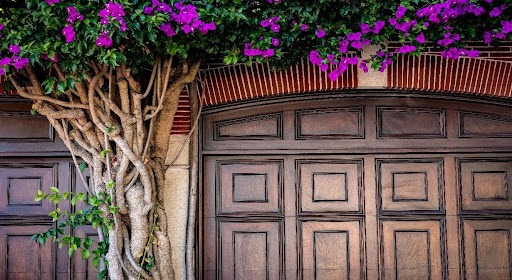
An entry door not only serves to greet visitors but also represents the first barrier against the extreme conditions of Florida’s climate while determining the architectural style of a property. It becomes imperative for both the homeowner, the architect, and the designer who has to select custom exterior doors Florida needs to know how these three factors combine with the weather of the region.
How Florida’s Weather Condition Makes the Difference
There is no denying the fact that Florida is an unusual combination of extreme weather conditions which one does not usually find in other parts of the world such as heavy ultraviolet radiation, excessive humidity, seasonal rain, salt air at the coast, and even a tropical storm at times. The door that works fine under some other weather conditions will get warped or faded.
Heat and UV Light Exposure
The constant exposure of a door to sunlight may result in cracking, fading, or compromising the structural integrity of lower-quality wood and finishing materials. Florida doors will be better served by finishing materials and construction materials that are resistant to ultraviolet light.
Moisture and Humidity
The presence of high levels of humidity may cause swelling, warping, or even the growth of mold on a door that is not adequately protected from such an environmental condition.
Coastal and Stormy Weather Consideration
Homes located in coastal regions expose the door to salty air which is likely to have adverse effects on the structural integrity of hardware or even on certain types of woods.
Reasons Why to Consider High-Quality Hardwood Entry Doors
Premium hardwood entry doors still are in great demand from homeowners in Florida as they provide not only heat and natural beauty but also durability. Such hardwoods as mahogany, teak and white oak are commonly used because they have higher density and are naturally resistant to moisture and pests in case of proper finishing.
Craftsmanship Does Matter
The construction itself plays an important role in durability of the door since the joinery, panels and other elements of the construction can affect the ability of the door to resist changes in humidity and temperature levels.
Custom Size and Compatibility with Architectural Design
Florida homes feature a wide range of architectural styles, from Mediterranean Revival to coastal contemporary designs. Custom exterior doors Florida can provide flexibility in size, proportion, and design features, including arched tops, sidelights, decorative glass, and other architectural details that complement the overall appearance of a property.
Functionality and Security
In addition to visual design, an entry door provides important functional value for home security. Hardwood construction, strong frames, and quality hardware can contribute to the overall strength and performance of the entryway. Choosing well-designed Premium hardwood entry doors can help balance durability, functionality, architectural compatibility, and long-term maintenance needs.
Maintenance Considerations
While hardwood doors can be very durable, they also require regular maintenance in order to protect them from deterioration.
Trending FAQs:
What kind of wood is most suitable for exterior doors in Florida?
Hardwoods such as mahogany and teak are commonly favored for their inherent strength and moisture resistance when maintained appropriately.
How frequently should a hardwood exterior door be refinished?
On average, every 2–4 years depending on sun exposure and closeness to the coast, although this may differ based on the finish selected.
Is it possible to get custom-made doors to complement a particular architectural style?
Yes, custom-sized doors can be constructed to complement Mediterranean, coastal, traditional, or modern home styles.
Can hardwood doors be used in coastal areas of Florida?
Yes, as long as they have been treated, sealed, and fitted with rust-proof hardware, hardwood doors can function well in coastal areas.
Do exterior doors require special maintenance in humid climates?
Yes, it is important to inspect regularly for seal, finish, and hardware to protect against moisture damage.